My research focuses on efficient post-training and inference for large language models, with an emphasis
on reasoning, long-context generation, and reinforcement learning. I welcome conversations and collaborations
in these areas.
Research
Efficient training, evaluation, and inference for reasoning models.
Efficient Reinforcement Learning
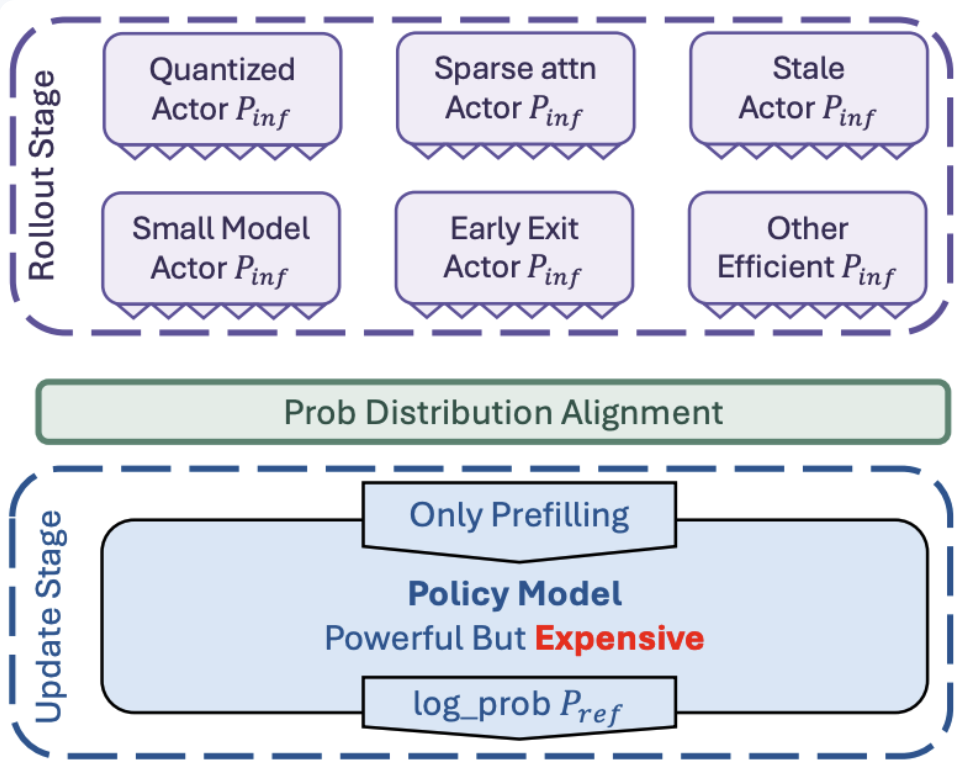
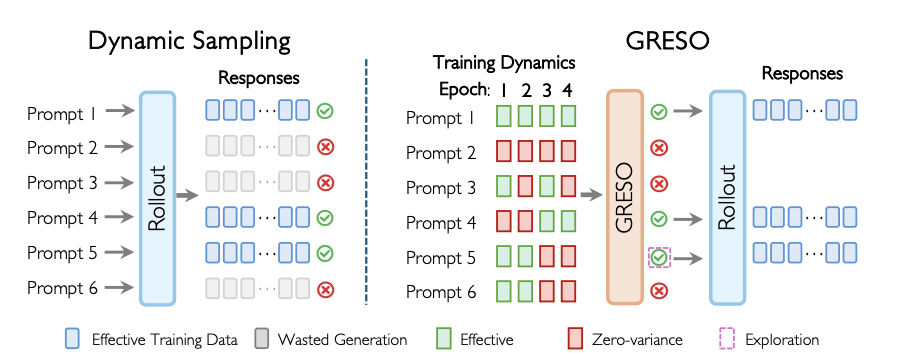
explores practical training when efficient rollout actors differ substantially from the policy being trained, including budgeted rejection sampling and selective rollouts in
Jackpot, GRESO, and
Sparrow.
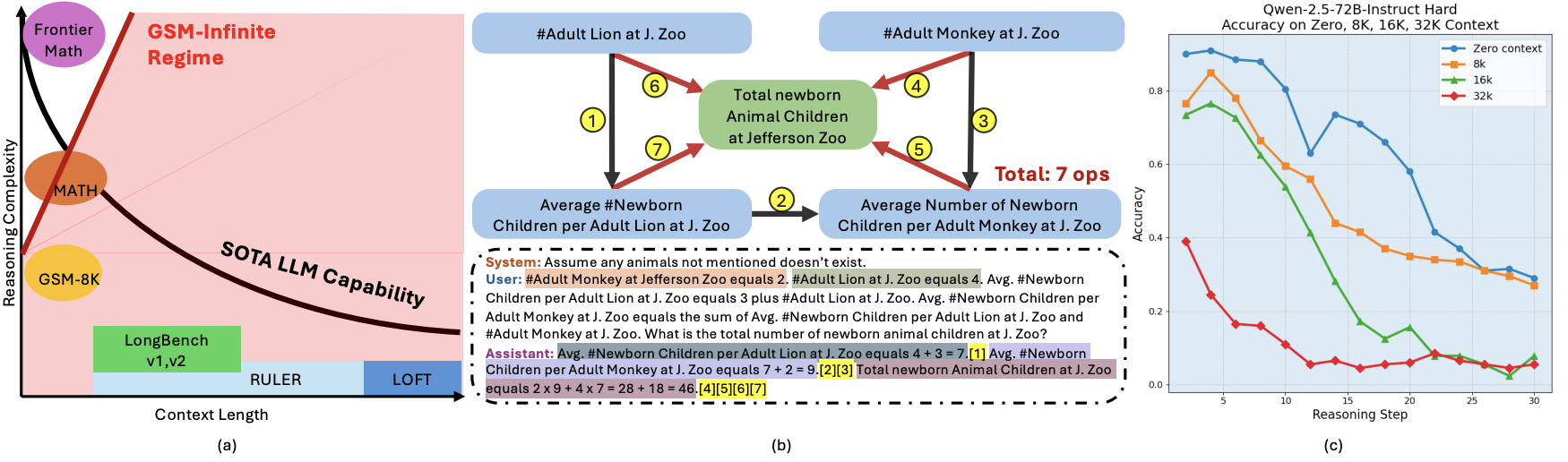
Long-context Reasoningscales up synthetic data generation to study how language models behave as context length and reasoning complexity increase, with controllable evaluation across both dimensions through
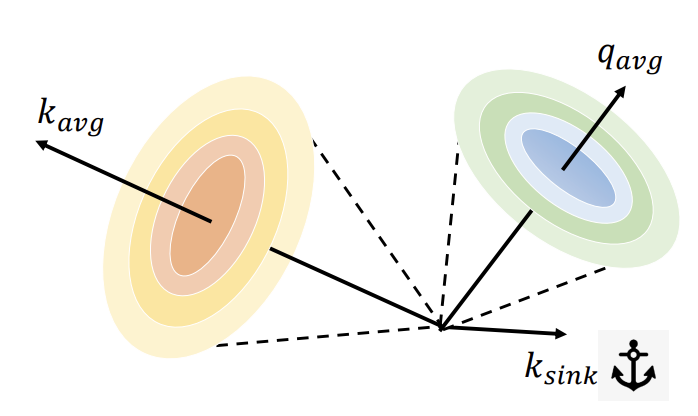
GSM-Infinite, and MagicPIG.
Efficient LLM Inference
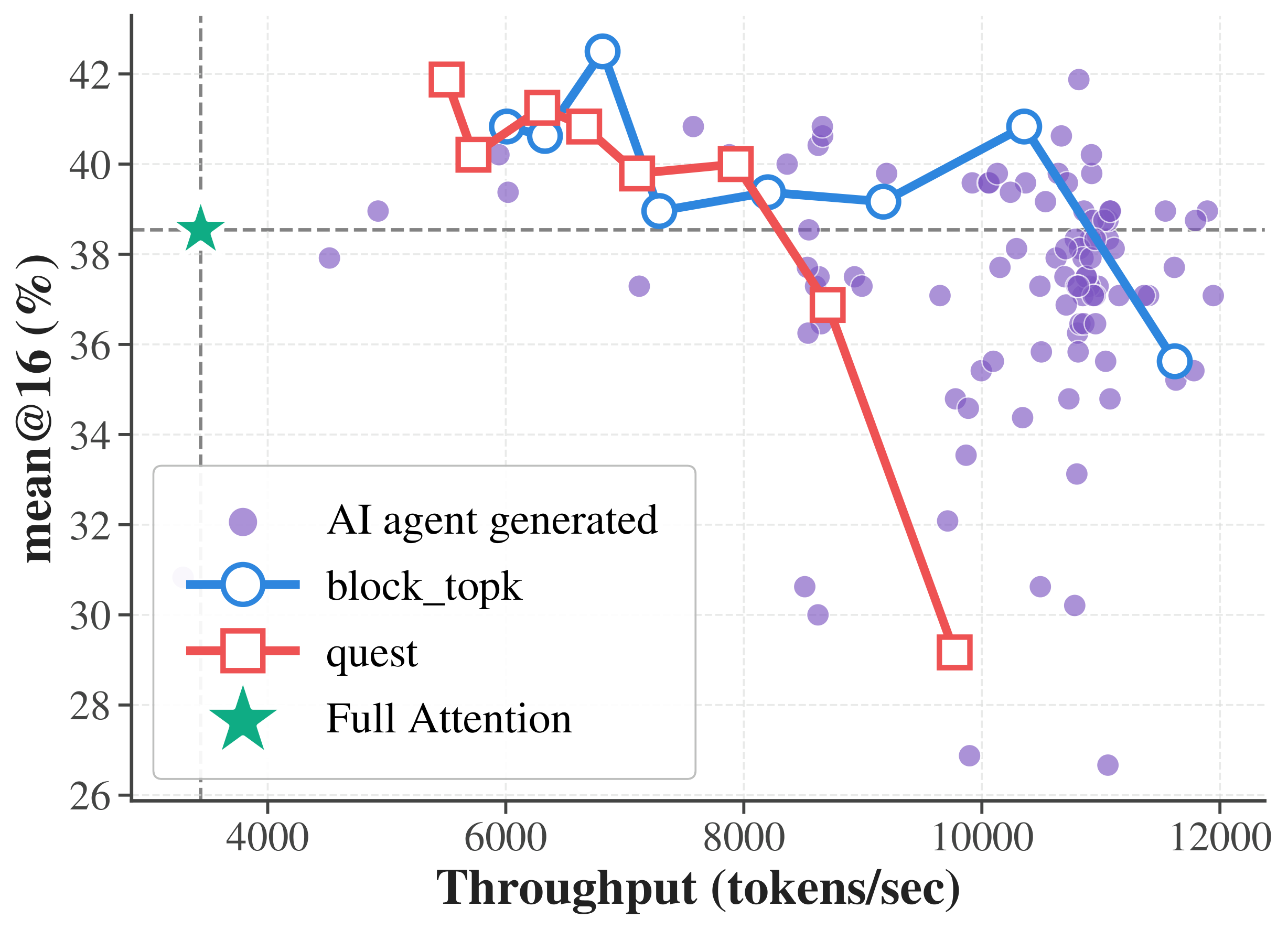
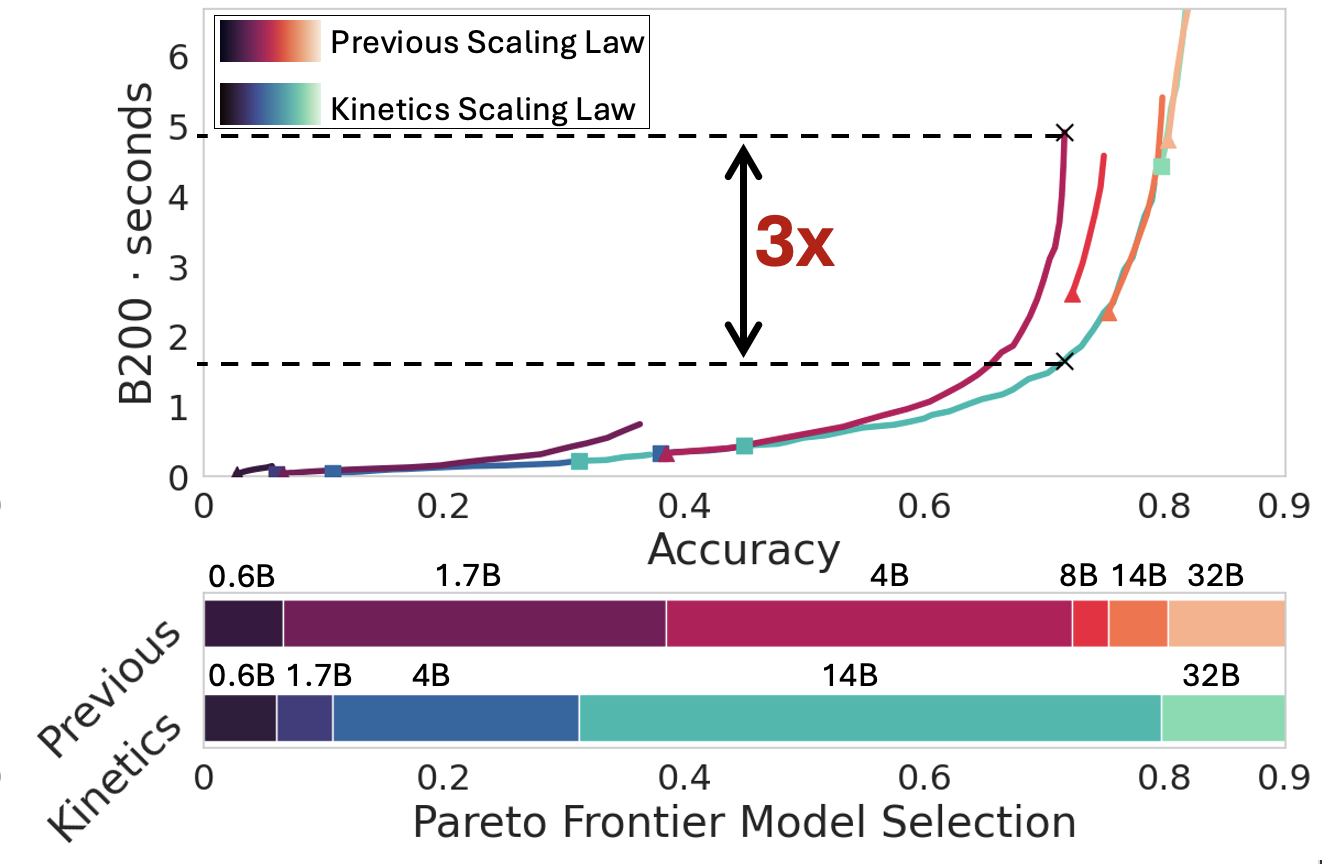
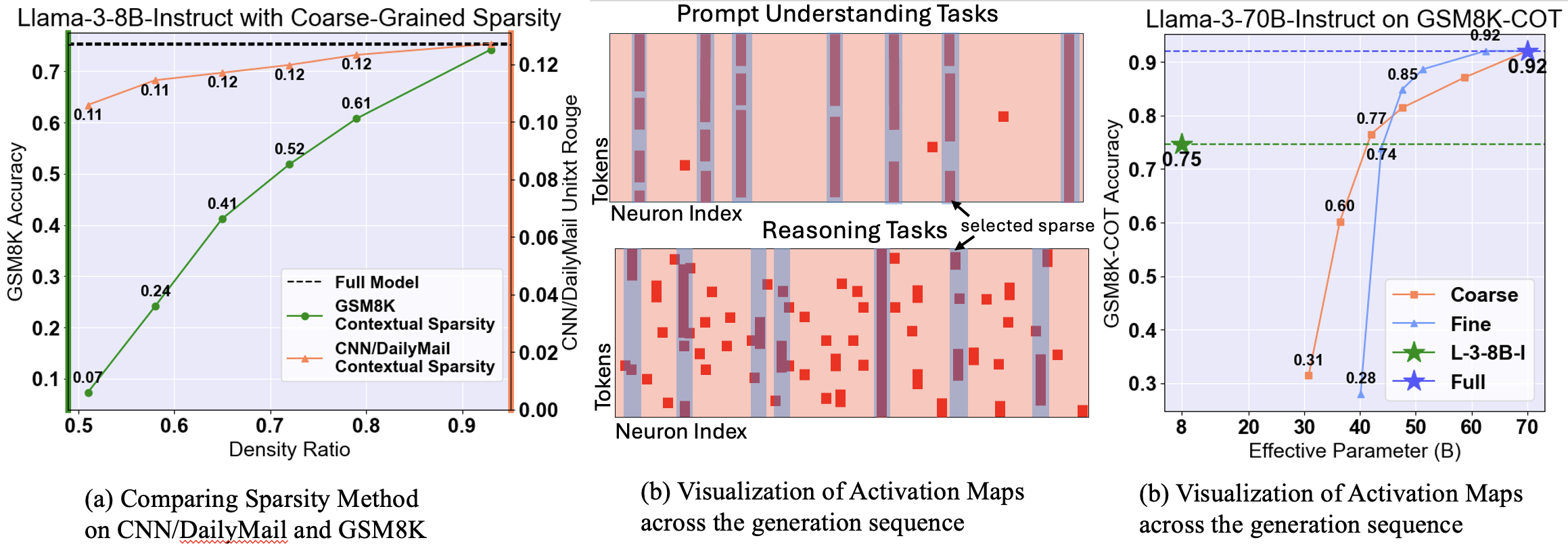
reduces the computation and memory required for language-model inference while preserving capability, spanning contextual sparsity and system-level analysis in
Vortex,
Sirius,
LLM Inference Unveiled,
Kinetics,
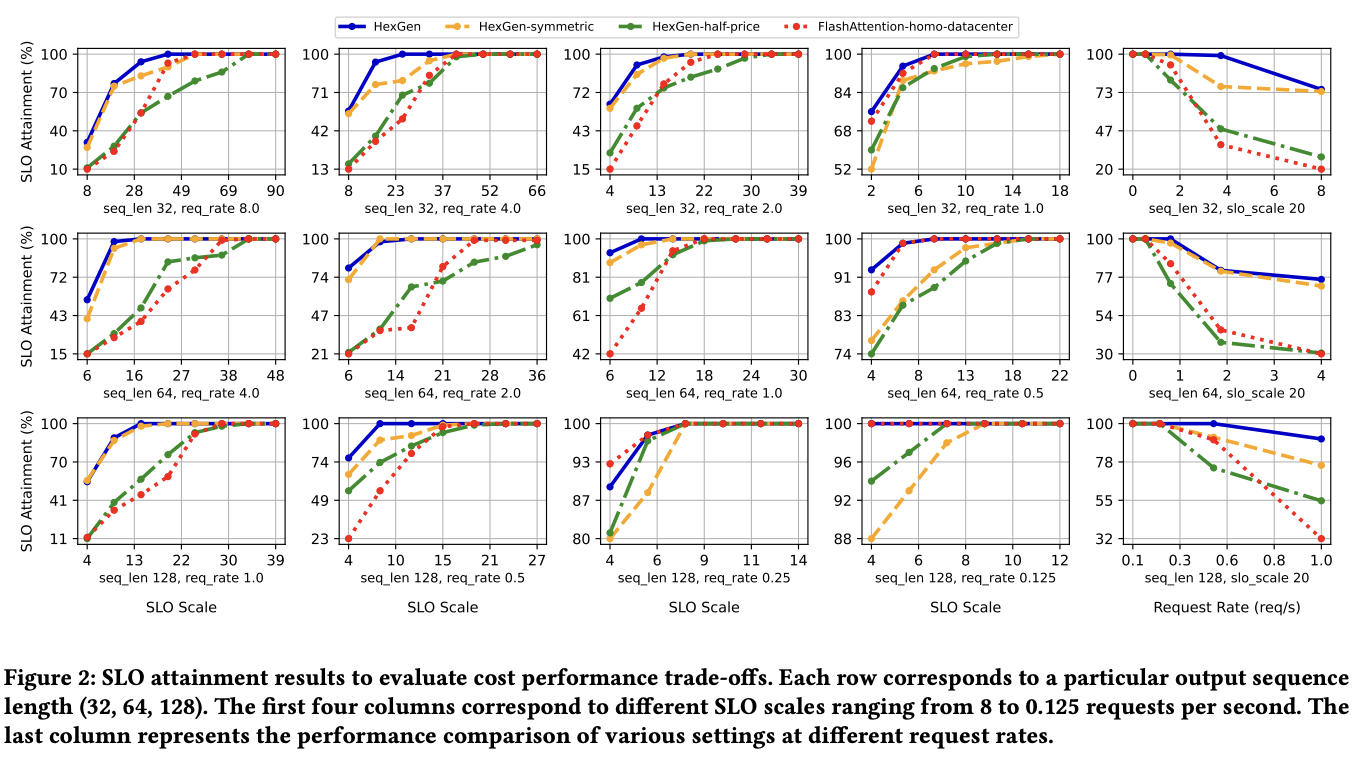
HexGen, and
DQRM.
(Early in Undergraduate) Edge AI
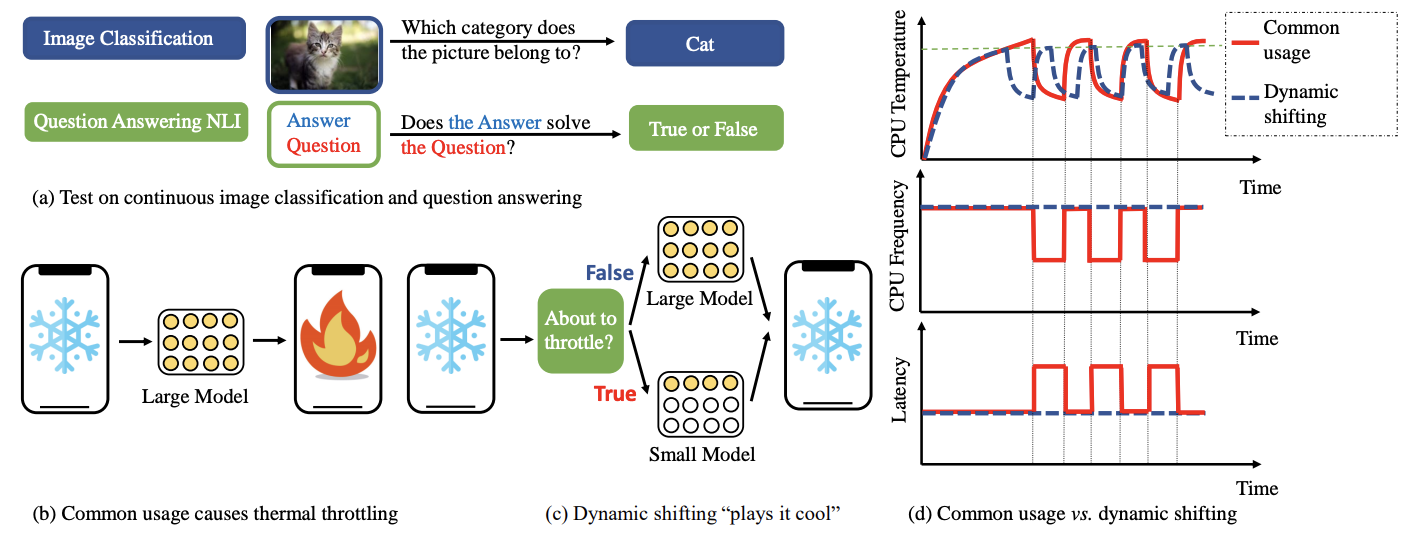
studies efficient deployment and training on resource-constrained systems through
Play It Cool, and
ANT.
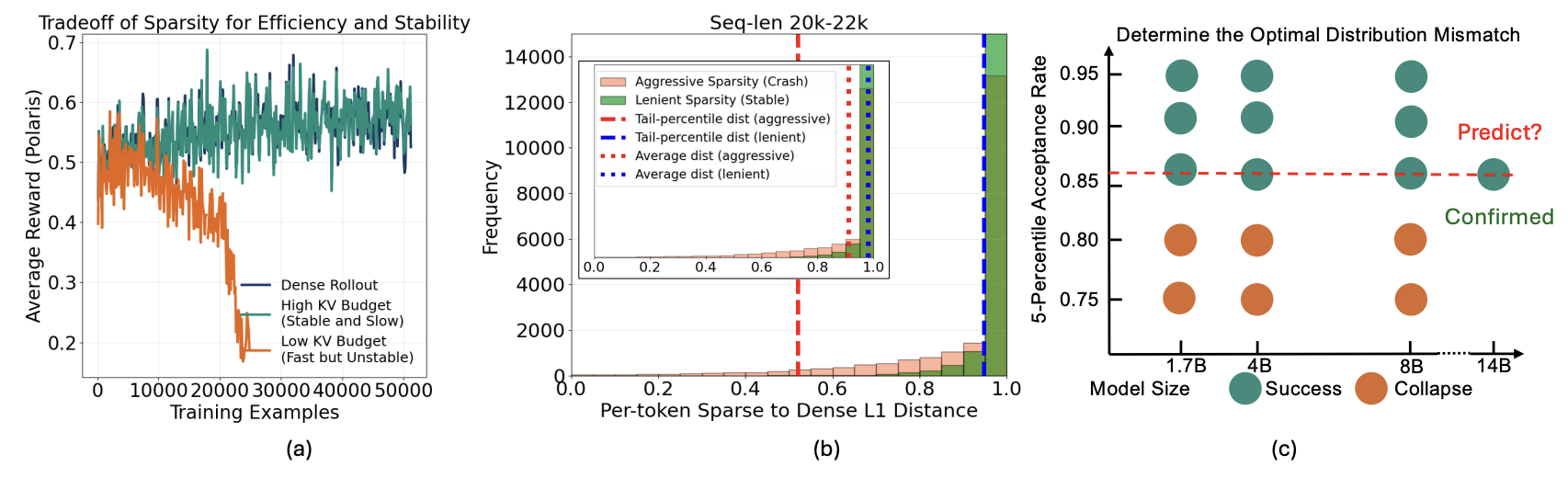
A dynamic sparse-rollout schedule balances actor-policy mismatch and rollout speed for stable long-context reinforcement learning. An intermediate version is accepted in SPOT at ICLR, 2026.
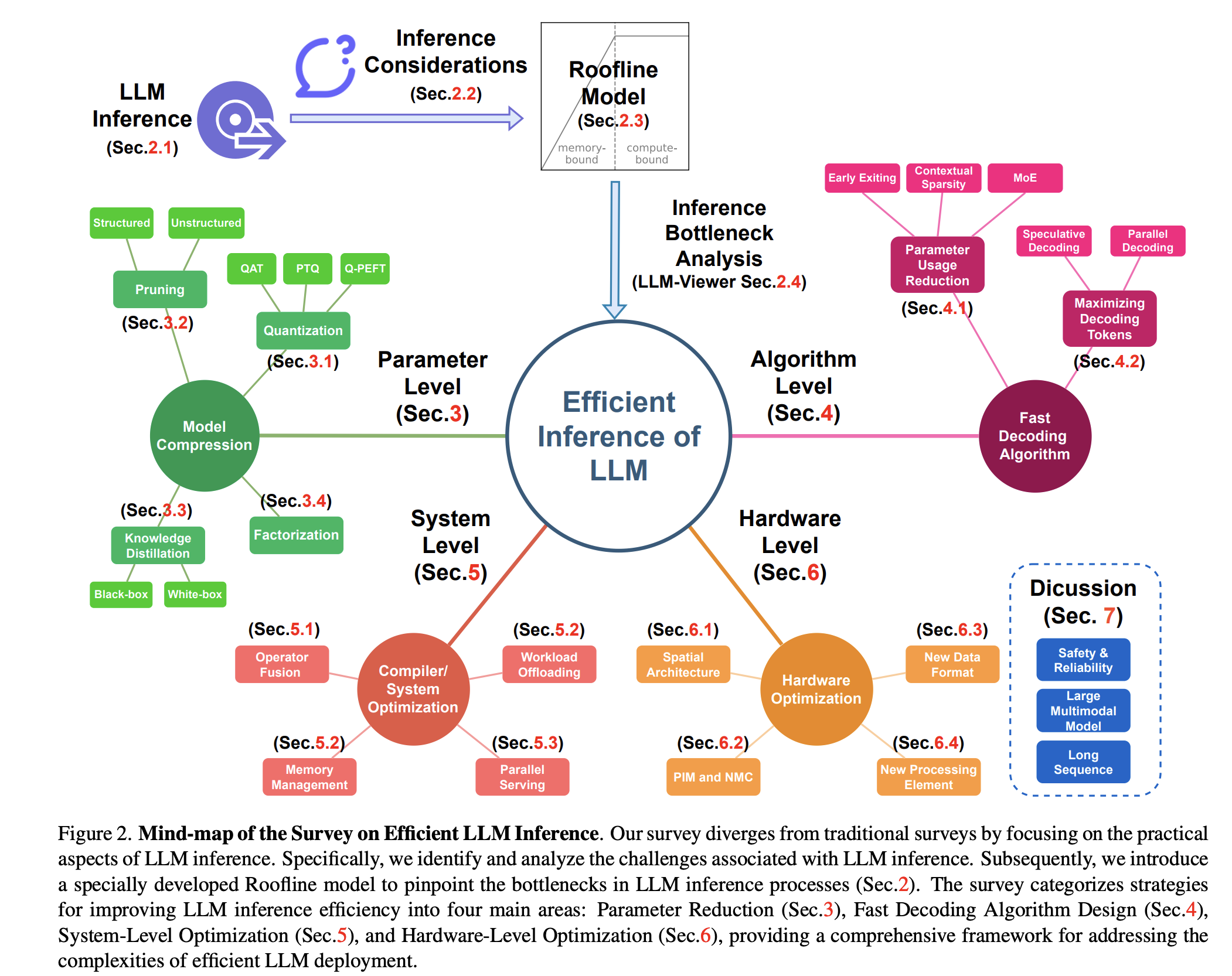
A survey of algorithm, system, and hardware techniques for LLM inference, accompanied by a roofline modeling tool for analyzing deployment bottlenecks. Cited over **200 times** (2026.07).
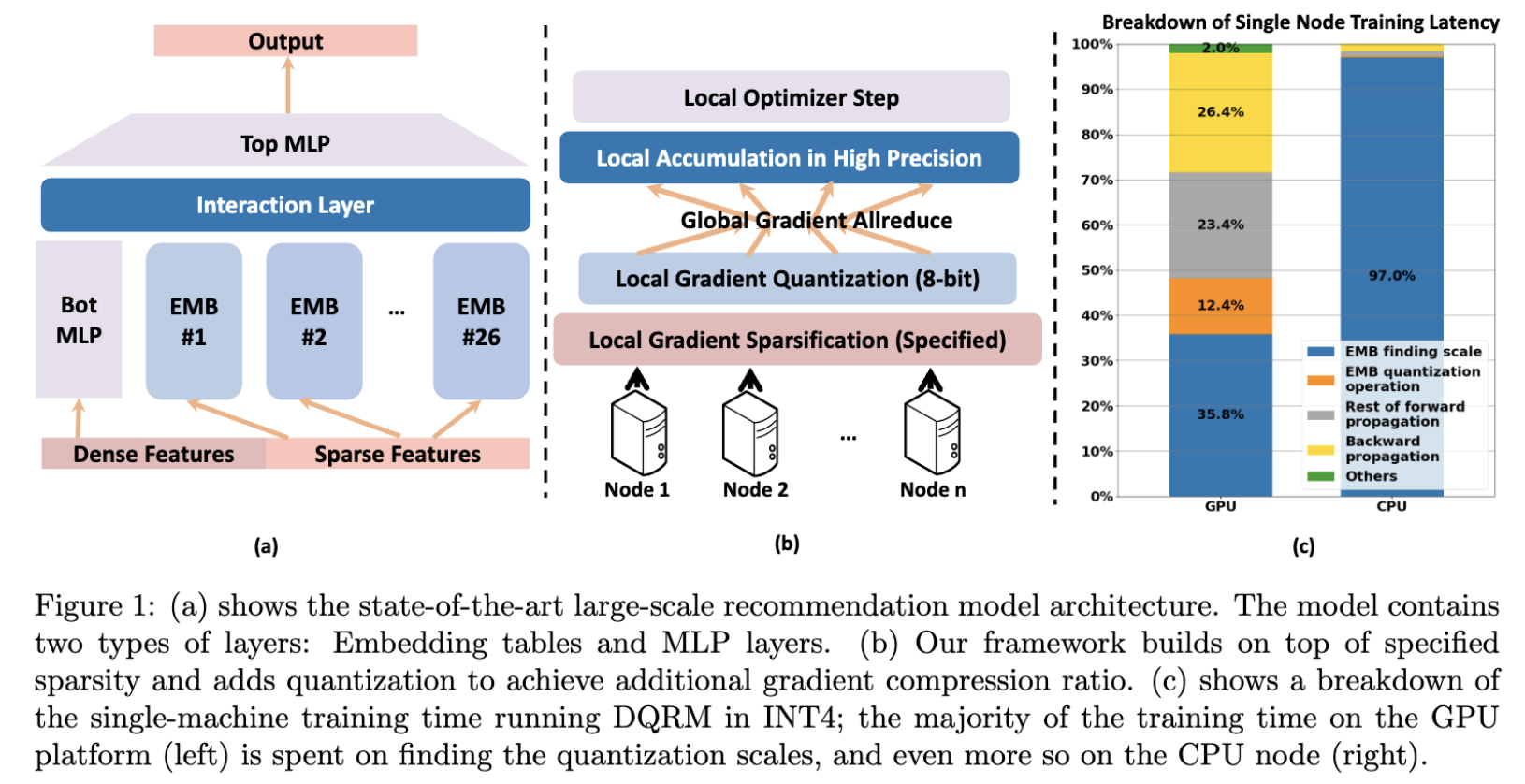
A 4-bit quantized recommendation model and sparse-gradient training system that reduce model size and communication overhead without sacrificing accuracy.